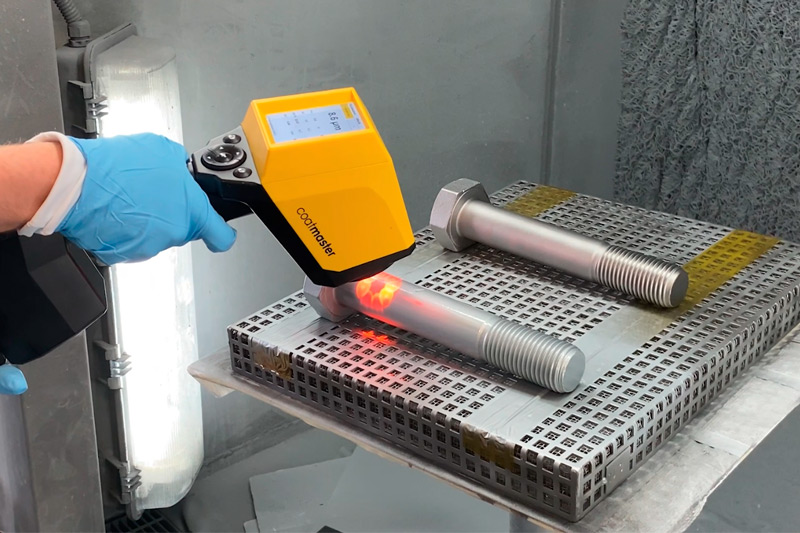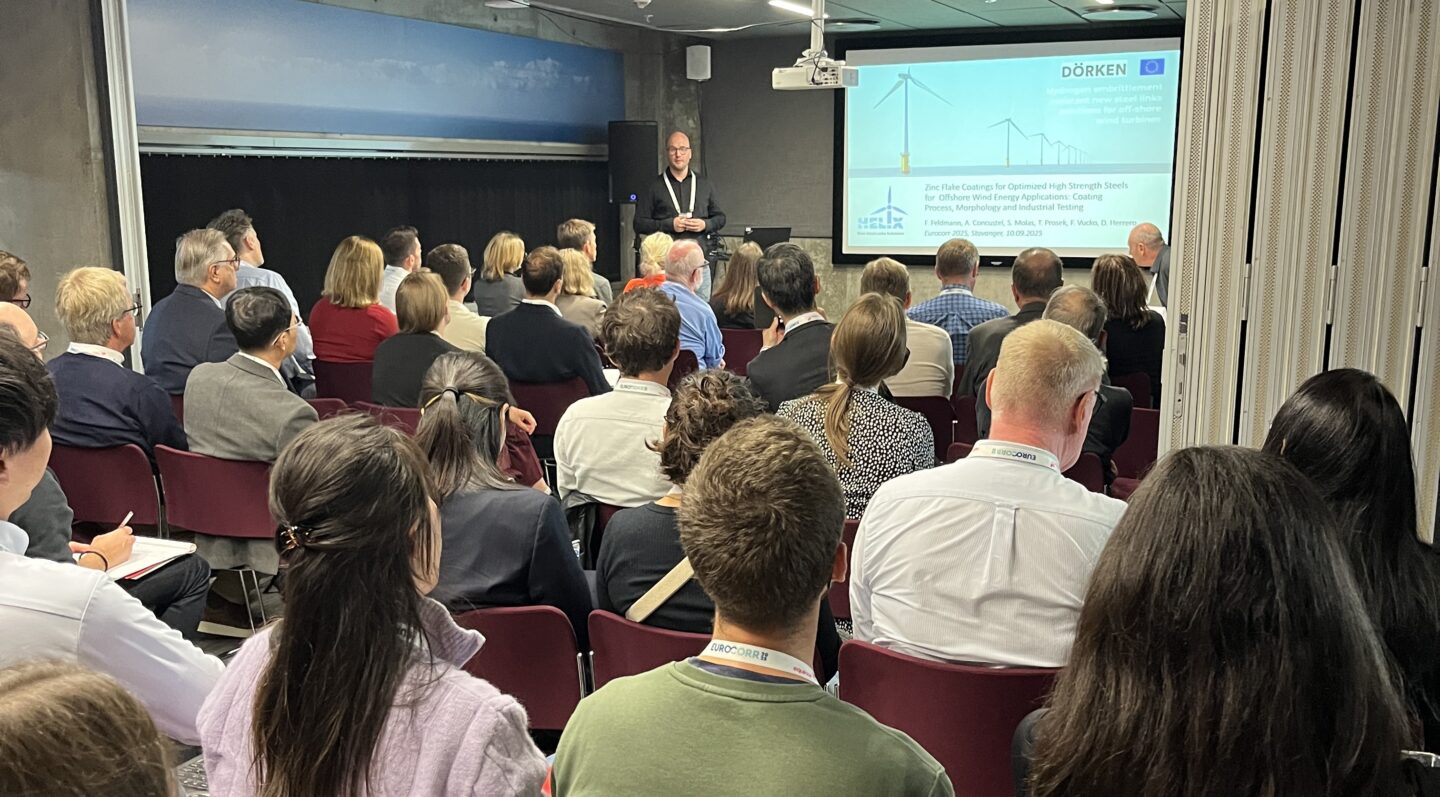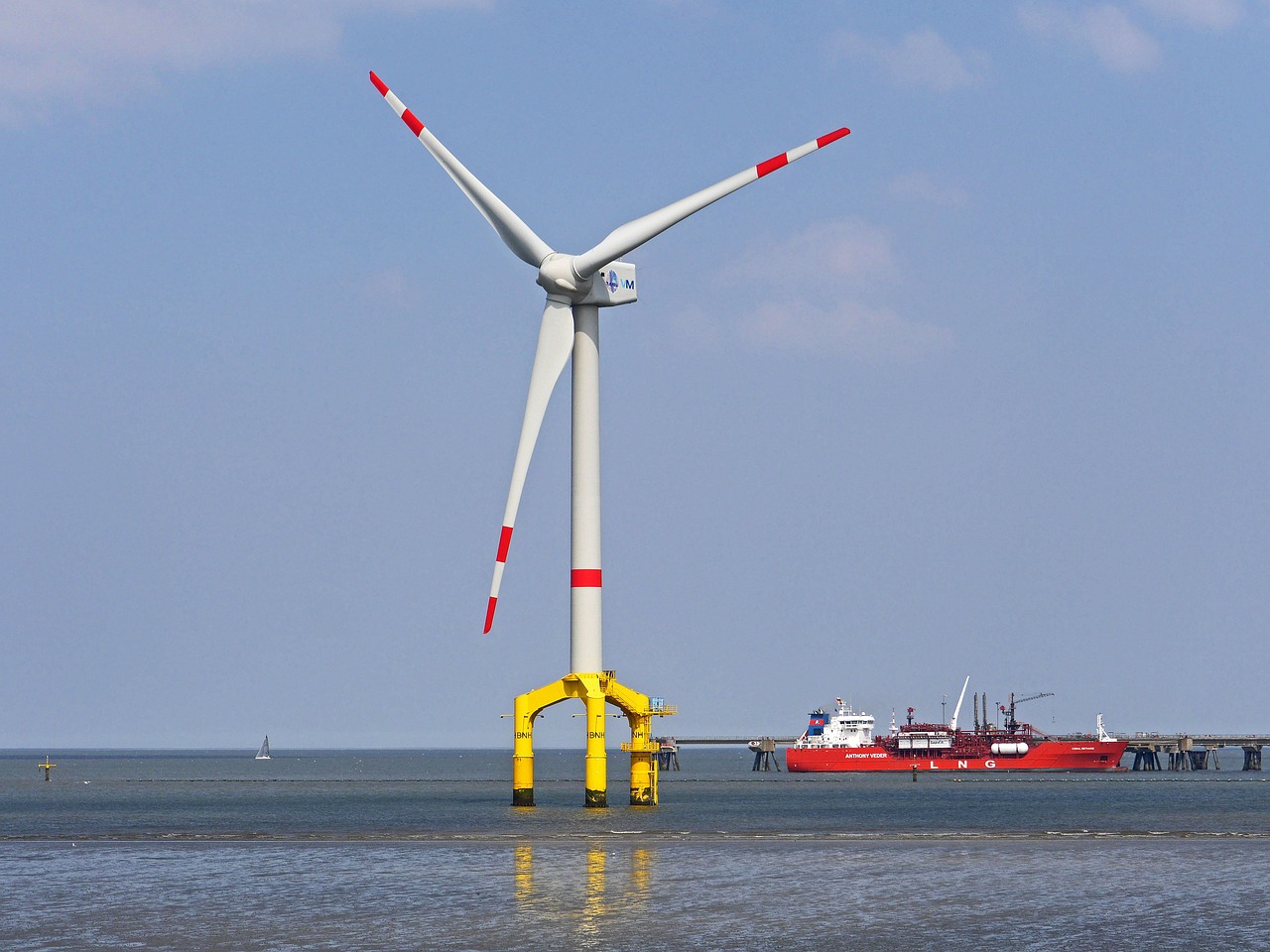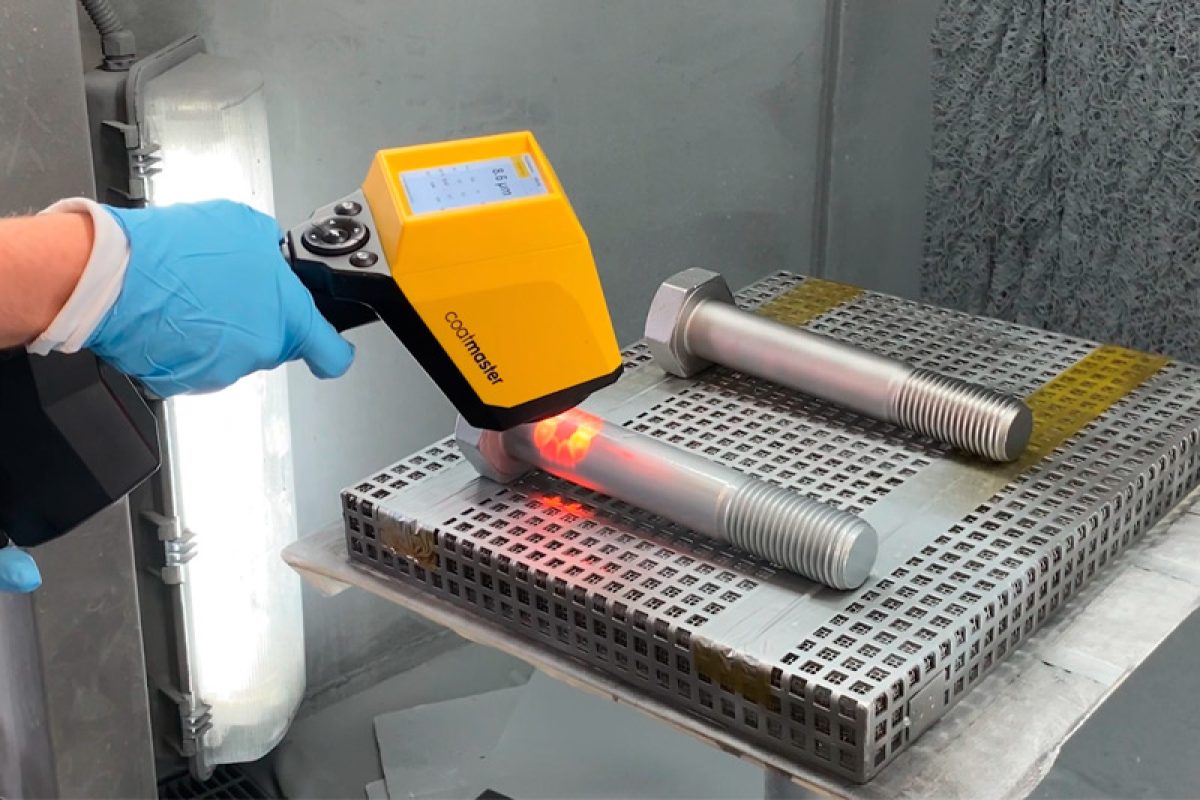
- The HELIX project has developed and tested new high-strength steels with advanced zinc-flake coatings that increase the durability and affordability of fasteners such as bolts, nuts, and studs used in the installation of offshore wind turbines.
- Novel high strength steels have been developed to obtain bolts of large diameter, over M64, while reducing manufacturing costs by up to 25 percent compared to current solutions.
- The results reinforce the reliability of joining elements, reduce risks associated with corrosion and hydrogen embrittlement, and lower maintenance costs, which may support a more competitive deployment of offshore wind energy in Europe.
The HELIX project has developed and tested high-strength steels with advanced zinc-flake coatings to optimize the manufacture of fasteners with the aim of increasing the endurance, durability and affordability of these components used in the installation of offshore wind turbines.
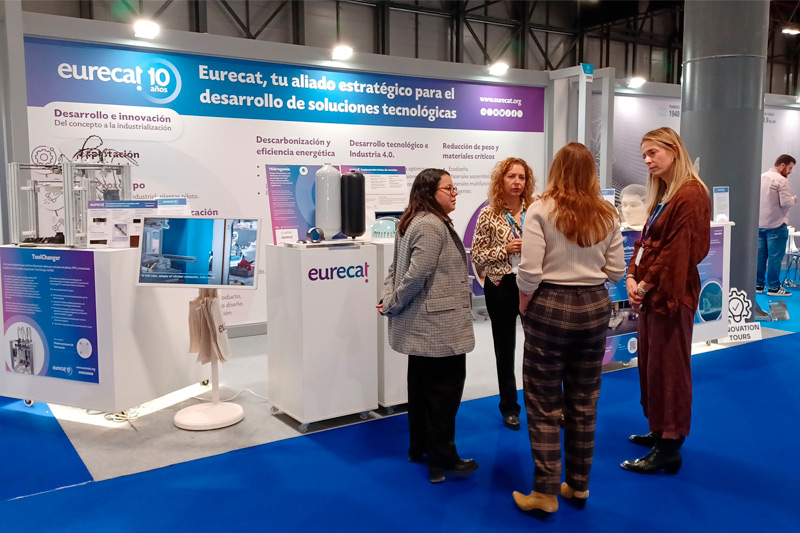
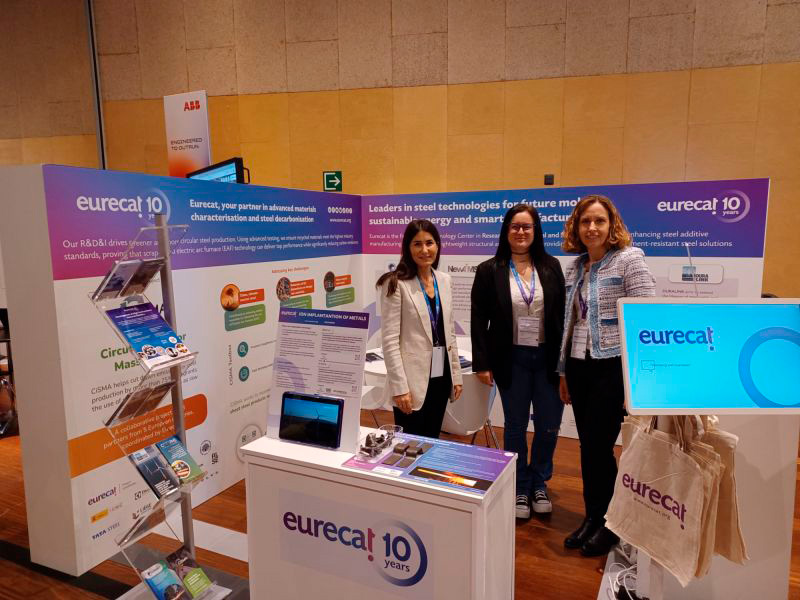
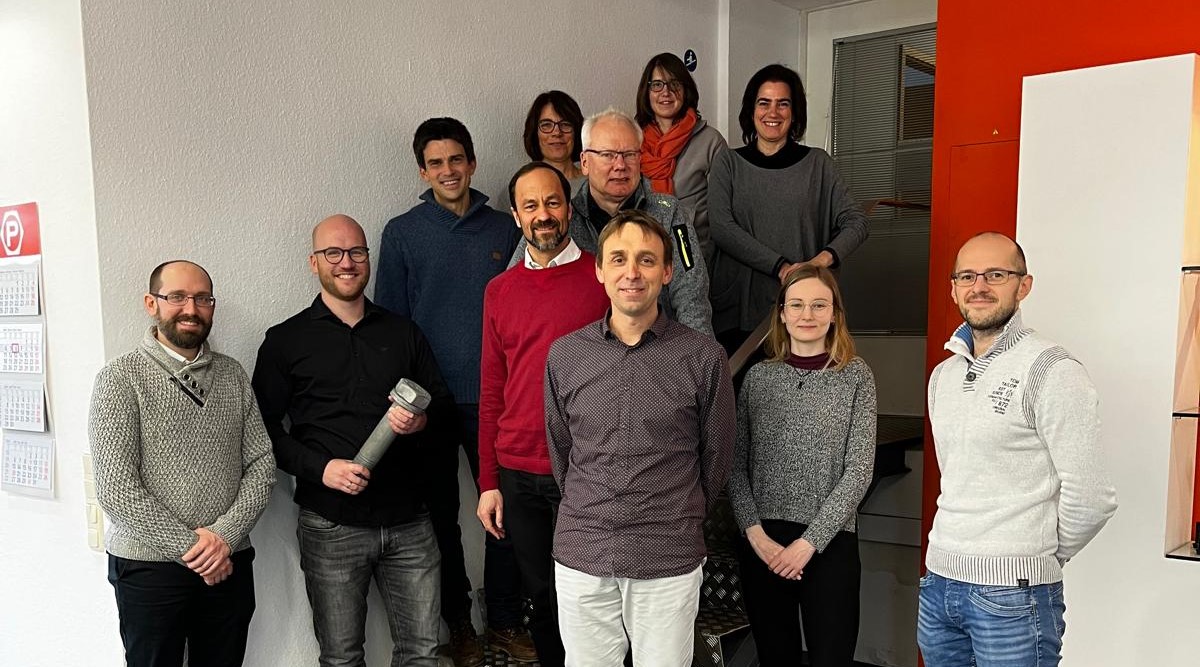
The project, coordinated by Eurecat technology centre and involving five European partners SIDENOR (Spain), Institut de la Corrosion (France), DÖRKEN (Germany), and the University of Chemistry and Technology in Prague (Czech Republic), has delivered solutions capable of withstanding the extreme conditions of the marine environment. These innovative materials increase the durability of fasteners and reduce production costs by up to 25 percent, compared to current solutions.
The achieved results enhance the reliability of joining elements, reduce risks associated with corrosion and hydrogen embrittlement, and lower the maintenance costs, which may enable a more competitive deployment of offshore wind energy in Europe.
Specifically, HELIX has worked on the development of new high-strength steels, with strength grades 10.9 and 12.9 used in high-demand installations, featuring high toughness and resistance to hydrogen embrittlement. These materials are applied in the manufacture of larger-diameter bolts, over M64, with high mechanical strength for the assembly of increasingly larger wind turbines.
As highlighted by Amadeu Concustell, the HELIX project coordinator and researcher in the Metallic Materials Unit at Eurecat, “the steels developed incorporate an optimized composition and manufacturing process that make it possible to reduce the use of expensive alloying elements while maintaining very high mechanical performance and toughness.”
The steels developed incorporate an optimized composition and manufacturing process that make it possible to reduce the use of expensive alloying elements while maintaining very high mechanical performance and toughness.
The project has also developed new organic zinc-flake coatings which enhance the durability of components, protect them against corrosion and the extreme weather conditions of the marine environment. In addition, the coatings are completely PFAS-free, meaning they contain no per- and polyfluoroalkyl substances, often referred to as “forever chemicals”.
As explained by Silvia Molas, head of the Corrosion and Degradation Line in Eurecat’s Metallic and Ceramic Materials Unit, “improvements in flake morphology, optimization of the binder and the development of more robust topcoats are key to extending the service life of fasteners in highly aggressive marine atmospheres.”
With these advances in materials, “HELIX helps boost the installation and maintenance of offshore wind turbines by reducing associated costs,” explains Amadeu Concustell.
“Offshore wind energy has the potential to become a reliable and economically competitive source of renewable energy,” recalls Silvia Molas. According to the International Energy Agency (IEA), offshore wind energy could generate more electricity than is currently consumed worldwide.
HELIX is a European project funded by the Research Fund for Coal and Steel (RFCS) aimed at developing high-strength, large-diameter fasteners for the offshore wind sector, offering competitive costs and superior durability in aggressive marine environments.